1
Высокие затраты
ИТ-директорам и CTO, Если текущая инфраструктура требует постоянных вложений, ограничивает развитие продуктов или усложняет поддержку.
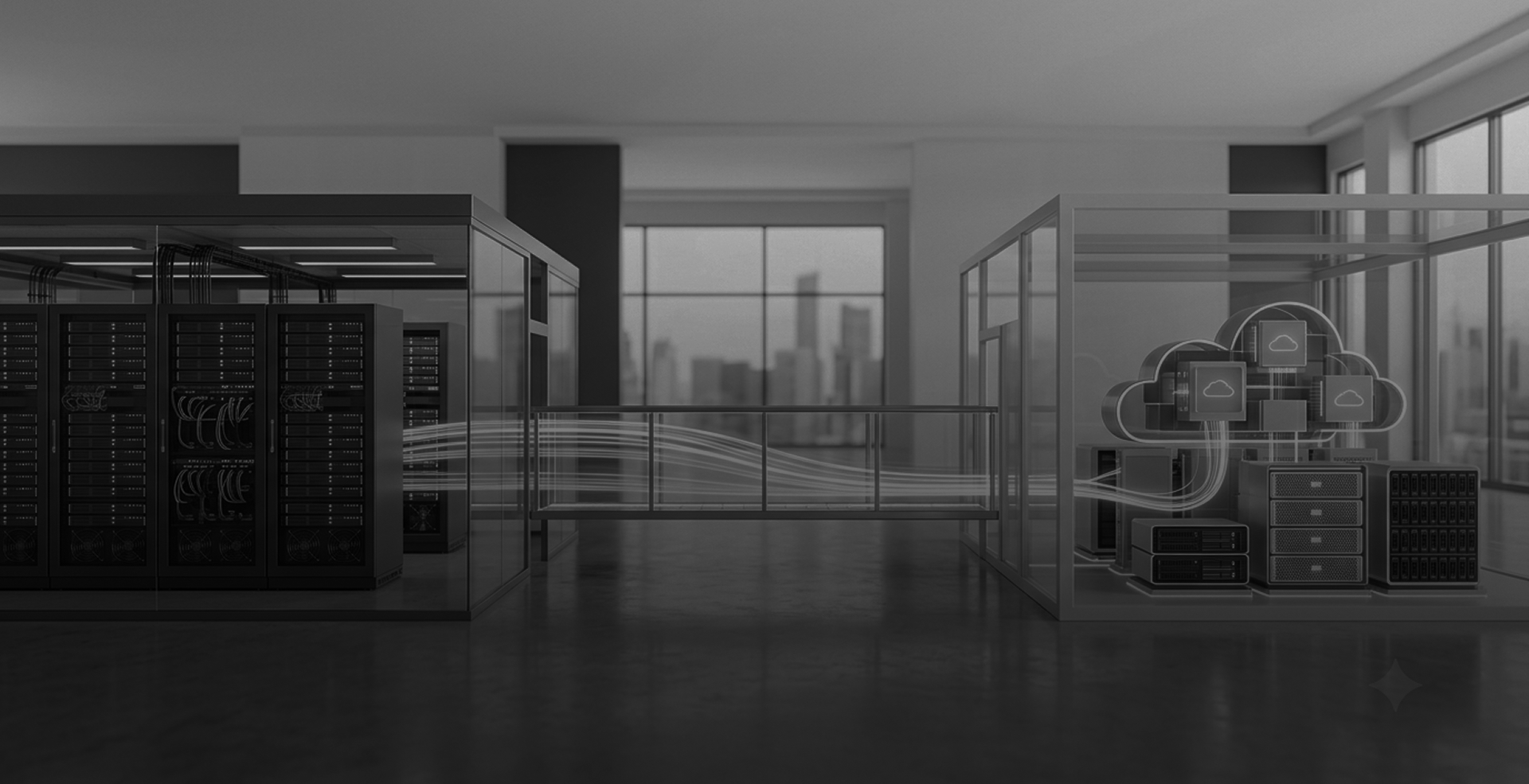

AG Soft takes on the full migration cycle: from the audit of the current infrastructure to the launch of services in the Cloud.ru cloud. We help companies move to a modern cloud platform without stopping business processes and the need to form their own project team.
ИТ-директорам и CTO, Если текущая инфраструктура требует постоянных вложений, ограничивает развитие продуктов или усложняет поддержку.
Растущим компаниям, Если необходимо быстро масштабировать ресурсы без закупки нового оборудования.
Компаниям с критичными бизнес-системами, если простой сервисов напрямую влияет на выручку и операционную деятельность.
Бизнесу, который хочет сосредоточиться на развитии, если обслуживание инфраструктуры отвлекает команду от стратегических задач.
Migration of IT infrastructure to the cloud is a comprehensive transfer of applications, data and services to a modern cloud environment with minimal risks for business. AG Soft specialists audit the current infrastructure, design the target architecture, ensure safe migration and maintain the system after launch.


Refusal of capital investments in equipment and reduction of costs for support of own infrastructure.
Ability to quickly increase computing resources depending on business needs.
The use of modern redundancy and fault tolerance mechanisms to ensure the continuity of services.
Rapid deployment of new services and development environments without lengthy infrastructure preparation.
Reduction in migration costs
To organize and coordinate the move